
The answer is a mix of both.
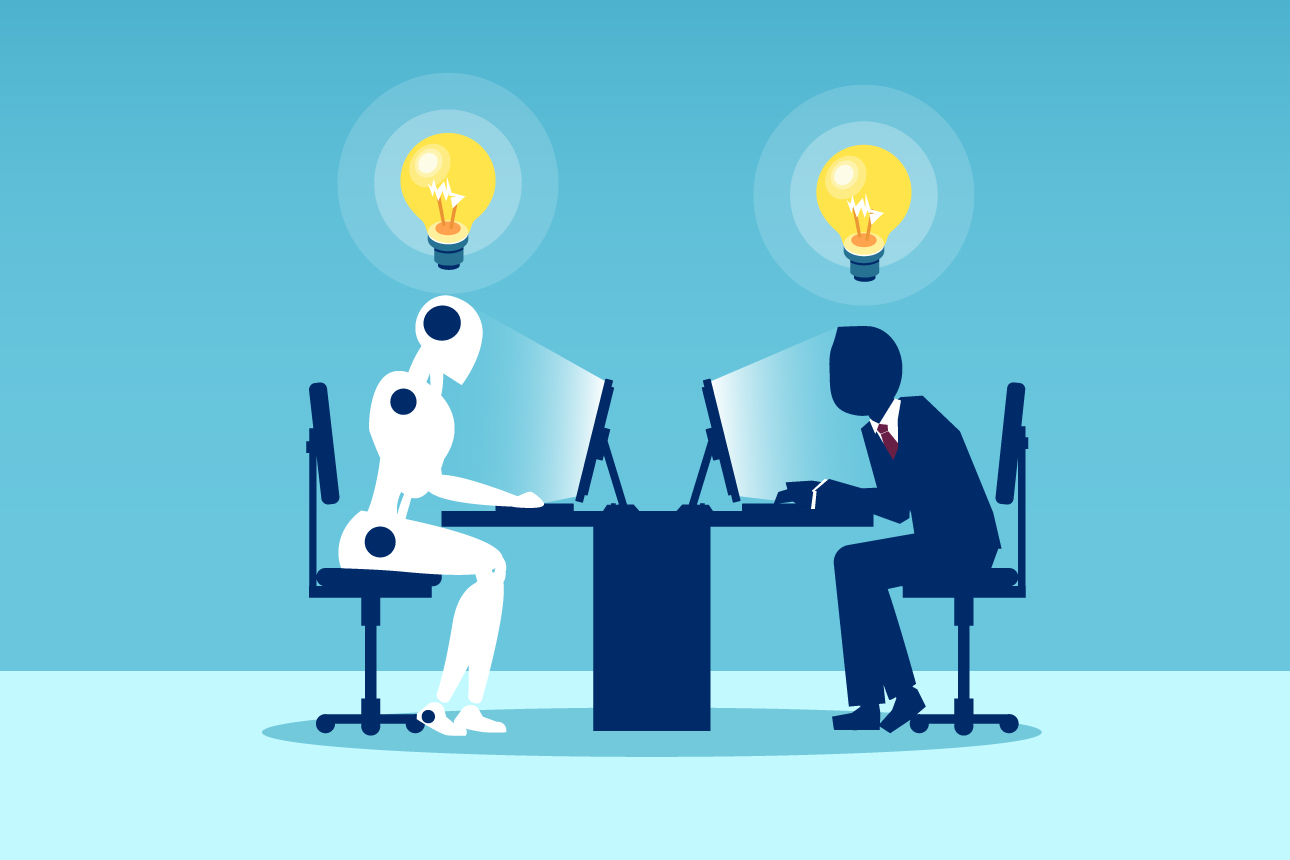
Artificial Intelligence has rapidly evolved in recent years, showcasing astonishing capabilities that have transformed various aspects of our lives. From autonomous vehicles to personalized virtual assistants, AI has become an integral part of our daily routines. However, as AI continues to advance at an unprecedented pace, concerns about its potential consequences on humanity arise. The question remains: should we limit the rapid innovation of AI to preserve our humanity? In this blog post, we will explore both sides of the argument and propose a balanced approach to ensure the responsible development and deployment of AI.
The Benefits of AI Innovation:
The seemingly limitless possibilities of Artificial Intelligence have just begun to be realized. We have seen this through, most notably, the recent emergence of ChatGPT. While many view the tool as a way for students to cheat on schoolwork, It can actually act as a personal tutor for students without providing direct answers to problems. The abilities of this tool were further demonstrated by a TED Talk led by Sal Khan.
The proponents of unrestricted AI innovation argue that limiting its progress would hinder technological advancements and stifle potential benefits. Rapid innovation in AI has the potential to revolutionize healthcare, improve scientific research, and address societal challenges. AI-powered medical diagnostics can lead to early disease detection, saving countless lives. Advanced AI algorithms can analyze vast amounts of data to discover patterns and insights that humans may overlook. Furthermore, AI has the potential to enhance efficiency and productivity in various industries, driving economic growth and job creation.

Preserving Humanity against AI:
However, we’ve also seen the drastic harm that could be caused if AI begins to get out of human control. Earlier this year, AI bot ChaosGPT designed a plan in which it could take over the world and destroy humanity when asked upon. In other instances, rappers like Ice Cube pushed back against their voices being reproduced by AI.

While the benefits of AI innovation are undeniable, it is crucial to recognize the potential risks associated with its rapid development. Concerns about job displacement, ethical implications, and the loss of human autonomy have sparked discussions about the need for limitations. As AI systems become increasingly sophisticated, there is a legitimate fear that they may surpass human intelligence, leading to unintended consequences. The possibility of AI systems making decisions that conflict with human values or causing harm to individuals cannot be overlooked. Therefore, preserving our humanity and ensuring the responsible use of AI must be prioritized.
This issue can be solved by taking a balanced approach rather than completely eliminating AI, or encouraging its rapid advances at any cost. We can achieve this balance by developing robust ethical frameworks and regulatory guidelines, emphasizing human-AI collaboration, continuous learning and adaptation, and public awareness and education. Through these steps humans will remain in control of ever expanding AI and will be able to tweak its innovations so that it best suits humanity.
 Politeia